

The Moment
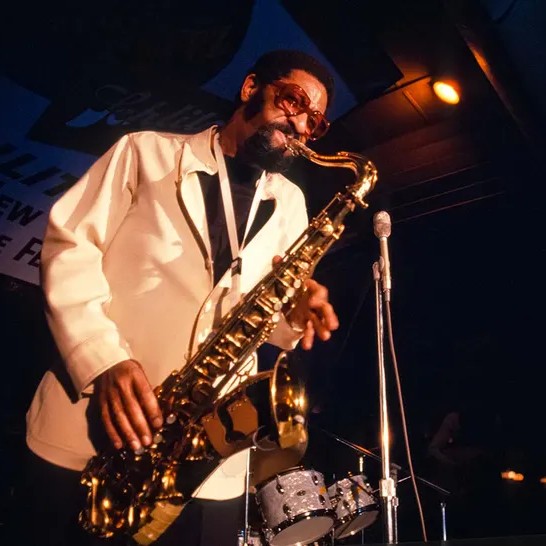
Sonny Rollins, the tenor saxophonist who could turn a street corner into a concert hall, is reported to have died at 95. His longtime representative, Terri Hinte, shared that he passed away Monday afternoon at his home in Woodstock, New York. No cause of death has been released.
That’s the news as it stands: a towering jazz figure, gone (if the initial statement stands) after nearly a century of life and seven decades of reshaping American music.
The Take
I don’t toss the word “icon” around lightly, but with Rollins, it’s not hype, it’s inventory. He was a walking masterclass in melody, nerve, and space. If jazz is a conversation, Sonny Rollins was the friend who listened harder than he spoke, then answered with a story you never forget.
Remember, his most famous album is literally called Saxophone Colossus, and it wasn’t bragging. He stood alongside John Coltrane and Charlie Parker as a bebop pillar, then kept evolving while everyone else tried to catch up. He famously stepped away at his peak to practice on the Williamsburg Bridge, came back with The Bridge in 1962, and reminded everyone that silence can be an instrument too.
Here’s what I keep coming back to: Rollins was the rare artist who made risk feel like home. One night, he’d unravel a standard until it sparkled anew; another, he’d stretch a solo past the point of gravity and land it anyway. He was the bridge (yes, that bridge) between bebop’s fireworks and modern jazz’s deep breathing. In plain English, he could blow the doors off a club and make your shoulders drop at the same time.
Today’s headlines sting, and yet the music softens the edges. If these reports hold, it’s not the end of the conversation; it’s the start of a thousand needle drops. Put on “St. Thomas,” cue up “Moritat” from Saxophone Colossus, or take a stroll with “Waiting on a Friend,” where he slides in beside the Rolling Stones like it was always meant to be. The man wasn’t just a legend; he was a habit.
Receipts
Confirmed:
- Rollins’ representative, Terri Hinte, stated he died Monday afternoon at his home in Woodstock, New York; no cause of death has been released (statement shared with press on May 26, 2026).
- Rollins released more than 60 albums, including Saxophone Colossus (1956), Way Out West (1957), and The Bridge (1962) (per the Sonny Rollins official biography and widely documented discographies).
- He retired from performing in 2014 due to health issues (stated in public interviews and artist communications).
- In 2011, President Barack Obama awarded Rollins the National Medal of Arts (per White House archives) and celebrated him as a Kennedy Center Honoree that same year (per Kennedy Center records).
Unverified/Reported:
- The cause of death has not been disclosed.
- Official family statement and memorial details have not yet been published at the time of writing.
- The timing and specifics of public tributes or celebration-of-life events have not yet been announced.
Backstory (for Casual Readers)
Born in 1930, Rollins came up in the bebop crucible and quickly became the tenor sax player’s tenor sax player: brilliant tone, daring improvisations, and that relaxed swagger that said, “I know exactly where this melody lives.” In the late ’50s, at the height of his fame, he paused public gigs to woodshed on the Williamsburg Bridge, literally practicing over the East River for months, then returned with The Bridge, a landmark album that made introspection sound bold. Across the decades, he kept touring, composing, and guesting (yes, that’s him on the Rolling Stones’ “Waiting on a Friend”), racking up awards and, more importantly, stories people still tell.
What’s Next
If the initial report is formally confirmed by family or his estate, expect tributes from jazz institutions, fellow musicians, and former presidents who honored him. Museums and universities will almost certainly program listening sessions; radio stations will build nights around Saxophone Colossus and Way Out West. Streaming numbers will spike, then settle into a higher baseline, because discovery never stops with artists like this.
For fans, the next steps are simple and generous: spin the records, share your first-Row J moments, and pass a favorite solo to someone who hasn’t heard it yet. History is loud, but legacy is personal. Rollins left us both.
We’ll update as soon as a formal family statement, obituary, or memorial plan is issued.
Which Sonny Rollins track or live recording would you hand to someone hearing him for the first time, and why?















































Comments