


The Moment
Blake Lively isn’t done. Weeks after both sides declared victory in their long, messy legal fight, a federal judge has ordered Lively and Justin Baldoni back to a Manhattan courtroom to address money, specifically who pays what after his colossal defamation case against her was tossed.
According to federal court filings reviewed Monday, Judge Lewis J. Liman set a hearing to deal with damages and costs tied to Baldoni’s dismissed $400 million defamation claim. Lively, 38, is asking that Baldoni, 42, cover her legal fees and case expenses. The exact dollar figure isn’t yet public.
In public statements last month, Baldoni’s side called the settlement a win for him, while Lively’s team called it a win for her. Now the postgame bill is due, and neither camp seems eager to pick it up.
The Take
Everyone loves to shout “victory!” after a settlement. But the real flex is what happens next, when the legal math shows up with a clipboard. That’s where Lively is playing smart: if a judge dismissed Baldoni’s defamation barrage, asking him to pay her fees isn’t spicy, it’s standard.
I’ve sat through enough celebrity legal skirmishes to know the PR parade often comes before the invoice. This is one of those moments. Think of it like ending a chaotic divorce and then arguing over who pays the movers. Both can claim the emotional win; only one cuts the check.
There’s also optics. Lively’s team already said the settlement acknowledged her concerns “deserved to be heard.” Following that with a push for fees underlines a broader message: the narrative about her “making it up” didn’t survive a courtroom. Baldoni, for his part, framed the settlement as a massive opportunity and suggested Lively feared testifying. That plays to his base, but it won’t sway a judge tallying hours, filings, and outcomes.
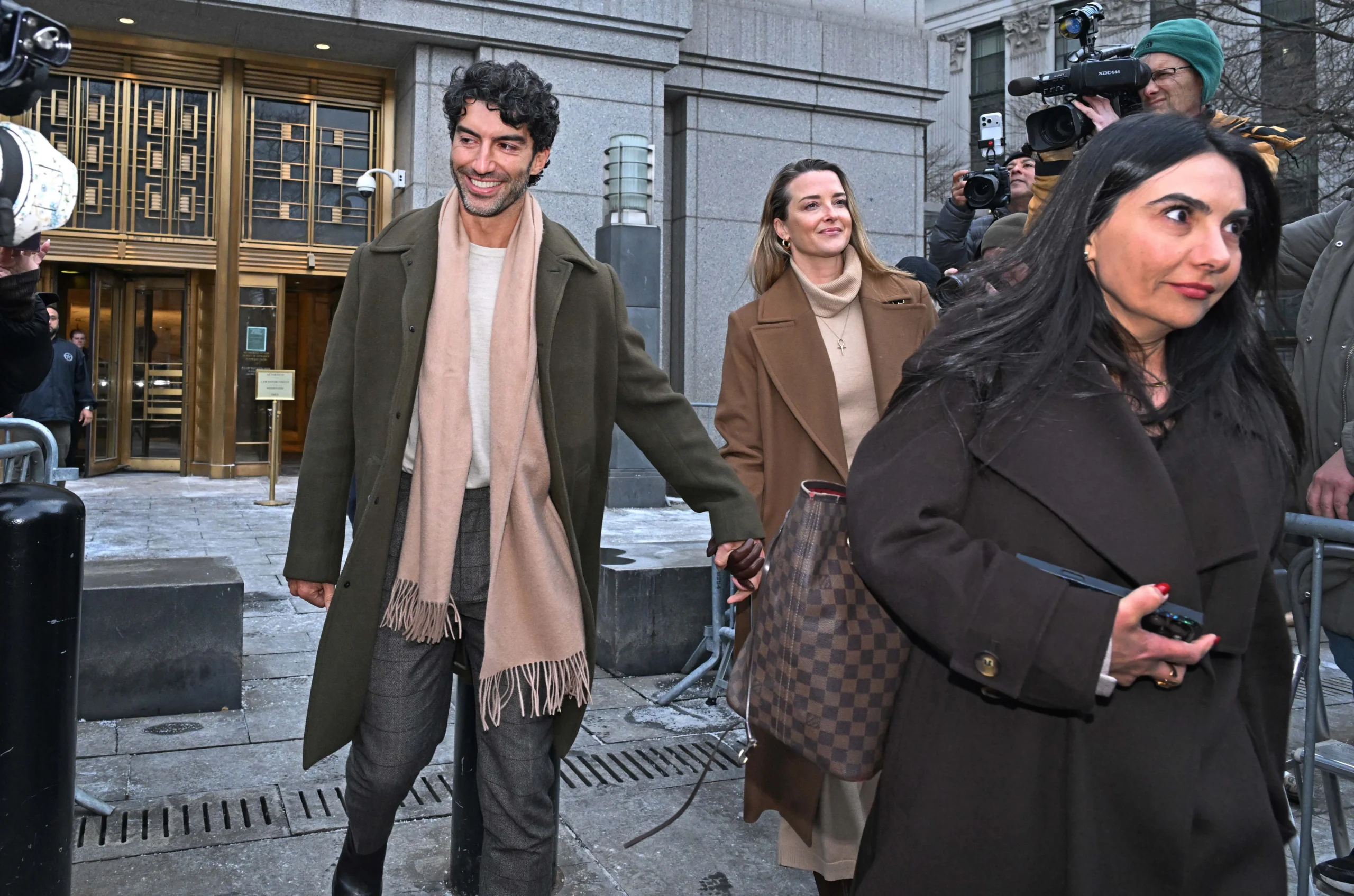
Bottom line: the victory lap is over. Now it’s receipts season, literally.
Receipts
Confirmed:
- A Manhattan federal judge, Lewis J. Liman, ordered the parties back to court to address damages and costs related to the dismissed defamation claim against Lively (per Southern District of New York docket entries dated June 1, 2026).
- Lively has requested that Baldoni cover her attorneys’ fees and litigation costs from that defamation case (per the same court filings).
- The sides reached a settlement last month resolving their broader legal dispute; Baldoni’s attorney publicly characterized it as a “huge victory” in an on-air interview, while Lively’s team called it a “resounding victory” in a press statement to reporters (May 2026).
- The court previously dismissed Baldoni’s defamation suit in 2025 (SDNY docket reflects dismissal under Judge Liman).
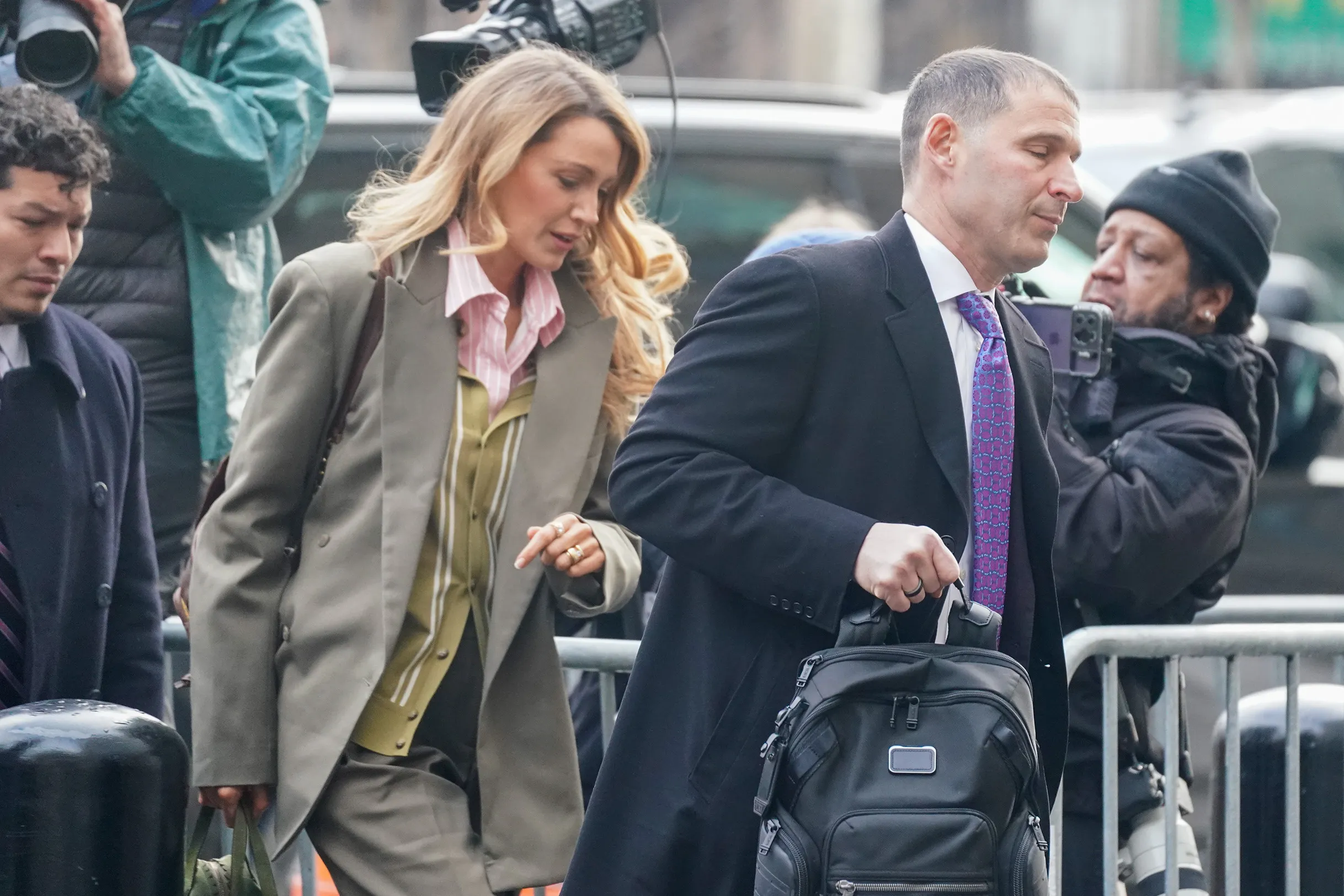
Unverified/Reported:
- The total dollar amount Lively is seeking in fees has not been disclosed in filings available as of Monday.
- The claim that Lively settled because she was “scared” to testify is an allegation made by Baldoni’s attorney during a broadcast interview; it is not established by the court.
- Estimates that the parties spent roughly $60 million combined during the 18-month dispute and that no money changed hands in the settlement remain reported but not confirmed in court documents.
Backstory (for Casual Readers)
Lively and Baldoni co-starred in the film “It Ends With Us”. Offscreen, their relationship soured into an 18-month legal tangle: Lively alleged sexual harassment and retaliation, which Baldoni denied; Baldoni countersued for defamation and other claims. A federal judge dismissed his defamation case last year, and the warring sides announced a settlement in May. Both camps claimed the win in dueling statements, celebrity law’s version of the Spider-Man pointing meme.
What’s Next
Watch for the court’s decision on Lively’s fee request, it could come via a written order after the hearing. If the judge awards fees (in whole or part), expect new statements from both sides and, potentially, sharper non-disparagement guardrails going forward. Also on the radar: any further filings about costs or sanctions, which would signal whether this saga is finally winding down or just entering its epilogue.
Should judges more often shift legal fees in high-profile cases to discourage blockbuster lawsuits that get tossed, or is that a chilling effect on speaking up?















































































Comments