


The snapshot
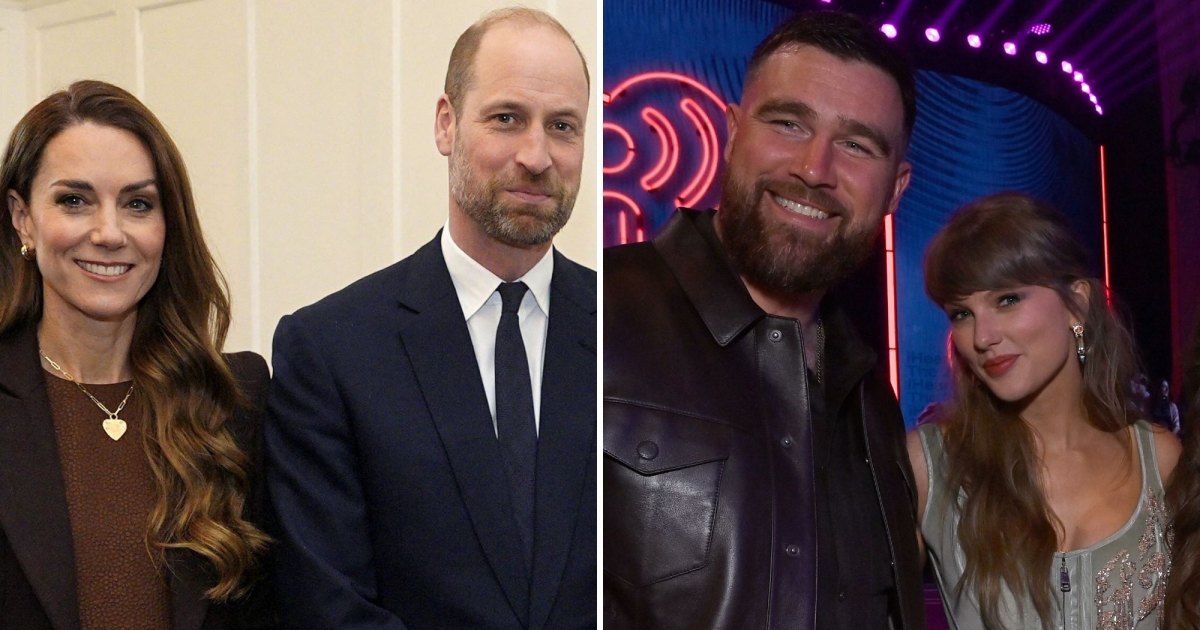
Kate Middleton shared a deeply personal message about her cancer experience on Sunday, describing how the diagnosis changed not just her physical health but her emotional, psychological, and spiritual life. The Princess of Wales, 44, opened up about the broader impact of cancer treatment while announcing her participation in a hospital fundraising challenge.
The moment
In an Instagram statement posted June 28, Kate reflected on what it means to hear a cancer diagnosis and navigate the path that follows. According to Us Weekly, she wrote, “Cancer doesn’t just affect the body. It changes how you think and feel and profoundly affects every aspect of life. I know this personally, and that the journey through and beyond treatment requires more than medicine alone.”
The message came as Kate announced her participation in the Royal Marsden hospital’s National Three Peaks Challenge, a mountaineering event across peaks in Scotland, England, and Wales. Kate described the challenge as more than a physical endeavor, calling it “a chance to explore life beyond diagnosis and to give something back.”
She explained that the Royal Marsden holds particular significance for her. The hospital, where she received treatment, became a focal point of her recovery and a symbol of the care she believes should extend beyond traditional medical interventions.
The take
This is one of Kate’s most candid reflections on her cancer journey to date. While she announced her diagnosis in February 2024 and confirmed she was in remission in January 2025, she has largely kept the emotional weight of that experience private. This statement offers a window into how the diagnosis reshaped her perspective, not just on health, but on what it means to heal.
Kate’s focus on holistic care signals a shift in how she may approach her public work moving forward. She emphasized the need for care that addresses the whole person, writing that “healing, whether personal or collective, is not just about fixing what is wrong. It is about finding balance in how we live.”
For a public figure whose image has long centered on composure and duty, the acknowledgment that cancer touched “every facet of her public and private life” is significant. It suggests a willingness to bring her personal experience into her advocacy in a way that feels both grounded and deeply felt.
Receipts
Confirmed:
- Kate announced a cancer diagnosis in February 2024 and underwent preventative chemotherapy
- She confirmed in January 2025 that she is in remission
- Kate participated in the Royal Marsden hospital’s National Three Peaks Challenge
- She posted a statement about her cancer experience on Instagram on June 28
- The Royal Marsden hospital publicly congratulated Kate on completing the challenge
Unverified/Reported:
- The specific type of cancer Kate was diagnosed with has not been disclosed
- Details about the holistic care Kate received during treatment have not been fully shared
Backstory (for casual readers)
Kate Middleton is married to Prince William and is the Princess of Wales. She largely stepped back from public appearances in early 2024 following abdominal surgery in January, later revealing that doctors found cancer and recommended preventative chemotherapy.
The announcement came after weeks of public speculation about her health and whereabouts. Kate addressed the situation directly in a video message, explaining that she needed time to recover privately and protect her three children, Prince George, Princess Charlotte, and Prince Louis, during an uncertain and emotional period.
In January 2025, Kate returned to public life with a visit to the Royal Marsden hospital, where she opened up about her treatment and recovery. She described experiencing side effects and emphasized the importance of compassionate, comprehensive care during and after cancer treatment.
What’s next
Kate’s participation in the National Three Peaks Challenge and her public messaging suggest she may take on a more active advocacy role around cancer care, particularly holistic approaches that support emotional and psychological recovery alongside medical treatment.
Her statement emphasized that “we have an opportunity to reshape what the future of holistic cancer care looks like,” signaling potential long-term involvement in patient support initiatives. Whether that translates into formal patronages, fundraising efforts, or public awareness campaigns remains to be seen.
For now, Kate appears focused on using her platform to highlight the human side of illness and recovery, a role that aligns with her broader public work around mental health and family wellbeing.
How do you think Kate’s openness about her cancer experience will shape the way people talk about treatment and recovery?
Sources:































































Comments