

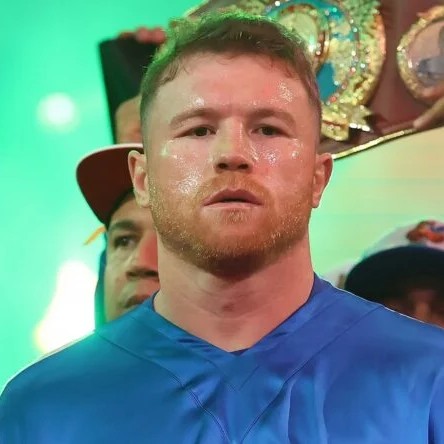
The Moment
Another “richest boxers of all time” ranking is making the rounds this weekend, stacking legends and modern stars by their supposed fortunes. The usual suspects are here: Floyd Mayweather, Manny Pacquiao, Canelo Alvarez, Tyson Fury, George Foreman, Oscar De La Hoya, Sugar Ray Leonard, Lennox Lewis, the Klitschko brothers era, and the current heavyweights who pack stadiums and streaming apps.
It’s buzzy, it’s nostalgic, and it scratches that summer-list itch. But let’s be honest: net worth math is part sport, part seance. So let’s separate headline hype from hard numbers.
The Take
I love a list as much as anyone, but a lot of “net worth” rankings are built like a sandcastle at high tide: splashy, then gone. Real wealth in boxing isn’t a mystery. It’s contracts, purses, pay-per-views, endorsements, and, for a savvy few, post-ring businesses that print money.
When you follow the actual paper trail, a few truths hold. Floyd Mayweather almost certainly sits atop the pile. He didn’t just sell tickets; he owned the show as a promoter, taking enormous slices of historic pay-per-views and topping earnings charts for years. George Foreman is the curveball casual fans forget. His iconic grill deal turned a heavyweight legend into a kitchen-aisle mogul. Canelo Alvarez signed one of the most headline-grabbing contracts in modern sports and continues to command massive purses and endorsements. Oscar De La Hoya translated a golden left hook into Golden Boy Promotions. And the modern heavyweight carousel, Tyson Fury, Anthony Joshua, and company, thrives on mega-purses amplified by international venues and platform wars.
Here’s the catch: “Net worth” is not a public box score. It’s the celebrity version of counting calories from Instagram photos: interesting, not exact. Debt, taxes, management splits, investments (good and bad), divorces, charitable giving, and business equity make the real number a moving target. The dependable compass isn’t a list. It’s follow the money, not the myth.
Receipts
Confirmed:
- Floyd Mayweather led the 2010s with roughly $915 million in earnings, according to Forbes (Dec. 2019). That decade-long lead is built on-record-breaking PPVs and promotional control.
- Mayweather’s 2015 year, anchored by the Pacquiao fight, was estimated around $300 million before taxes, per Forbes (June 2015).
- Canelo Alvarez signed an 11-fight, $365 million agreement announced in Oct. 2018, per Golden Boy Promotions and widespread industry coverage at the time.
- George Foreman has publicly said he made more from the grill than from boxing, and major outlets have reported his grill earnings surpassing $200 million (AARP interview, 2019; CNBC Make It, 2019).
- Tyson Fury entered a co-promotional deal with Top Rank/ESPN in 2019, signaling major guaranteed money and US exposure (ESPN, Feb. 2019).
- Oscar De La Hoya built significant post-ring wealth as the founder of Golden Boy Promotions, a leading US boxing promotion (Forbes profile, 2013).
Unverified/Reported:
- Specific “net worth” totals assigned to fighters (the exact dollar amounts are estimates, not audited figures).
- Any private financial details not disclosed in filings or on-record statements (e.g., undisclosed appearance fees, equity valuations, or tax impacts).
- Precise rankings based on privately held assets or investments without public documentation.
Backstory (for Casual Readers)
Boxing’s money boom tracks with TV and then pay-per-view in the 1980s-2000s, when stars like Sugar Ray Leonard became endorsement darlings, and later with promotional empires that let fighters become their own bosses. The 2010s added streaming deals and crossover spectacles. Layer in international hosts with deep pockets and you get today’s mega-purses. That’s why all-time lists mix old-guard names (Foreman, Leonard) with PPV titans (Mayweather, Pacquiao) and modern deal-makers (Canelo, Fury, Joshua).
What’s Next
If you want a truer money picture going forward, watch four things:
- Purses and guarantees reported by commissions or on-record to reputable outlets.
- Promotion equity (fighters who own their shows keep more upside).
- Endorsements and licensing with clear terms (think Foreman-level deals, not rumor).
- Business filings and sell-offs that reveal real cash events.
New fights will shuffle career earnings, but long-term wealth comes from post-ring plays: promotions, media, brand ownership, and yes, the occasional left-field product that becomes a household staple. Lists are fun; receipts matter.
Do you trust any “richest athletes” list, or do you only buy it when there’s a clear deal, purse, or filing to point to?












































































Comments